
Can Legacy Brands Thrive in a Phygital Future?
Vikram Limsay emphasizes that while the term #Phygital may be trendy, merging physical and digital models isn't straightforward—they require separate, focused strategies. He warns that legacy brands must constantly evolve or risk becoming irrelevant. He critiques surface-level digital strategies as often being costly and ineffective. According to him, every layer of the digital sales funnel needs a unique strategic approach. While a product may not always scale geographically, the underlying concept can. He urges brands to build relevance beyond diaspora audiences, explore brand extensions, and prepare for the imminent wave of AI agents. His insights were shared during a thought-provoking session hosted by Ritu Marya alongside iconic names from Indian retail.
Can India’s Energy Future Rely on the Black Diamond?
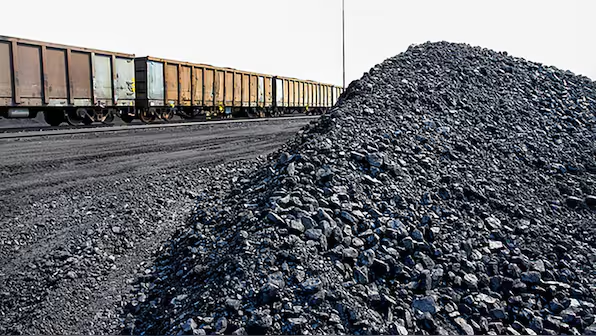
Vikram Limsay highlights the pivotal role of Coal India Limited (CIL) in ensuring India's energy security. With a market cap of ₹3 trillion and annual revenues of ₹1.5 trillion, CIL is not only a Maharatna PSU but also the second-largest employer in India after the Railways, employing over 2.25 lakh people. It extracts nearly a billion metric tonnes of coal annually, powering over 60% of India's peak energy demand. With the world's largest identified coal reserves, India is well-positioned for a century of energy sufficiency. Limsay lauds the scale, skill, and impact of public sector enterprises, noting the incredible operations led by CMD Shri P.M. Prasad and Director HR Dr. Vinay Ranjan. Every time we power our devices, it’s a miner’s labor that fuels it.
Will India’s Defence Boom Spark a Manufacturing Revolution?
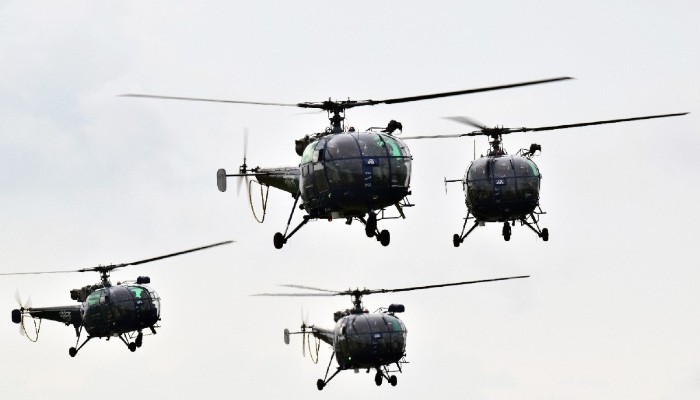
Vikram Limsay draws attention to a powerful economic trend: the defence sector's pivotal role in catalyzing manufacturing growth. Historically, major manufacturing economies—France, Germany, the UK, Japan, and even the U.S.—have seen their industrial might rooted in defence-driven innovation. India, primarily a maritime state with limited historical conflict, is now witnessing a major shift. With defence production doubling to ₹1.27 lakh crore and exports rising twelvefold to ₹24,000 crore, the sector is becoming a strategic engine for industrial growth. As global volatility increases and India leans into tariff-based trade dynamics, this trend could drive lasting impact on stocks, careers, and the broader economy.
Is the Era of Arbitrage Profits for Global Brands Ending?
Vikram Limsay warns of a brewing storm for global luxury brands as Chinese OEMs begin exposing the real manufacturing costs behind premium labels. With the secrecy clause lifted by the Chinese government, videos revealing the stark pricing gaps between production and retail are going viral. This shift threatens the royalty and IP-driven revenue model of many Western companies and challenges the price elasticity that brands can sustain. As consumer skepticism grows, the long-standing model of currency arbitrage and inflated brand premiums may no longer hold. The shelves might soon be filled with new, transparent, and competitive brands.
Can One Man’s Green Mission Inspire a Nation?
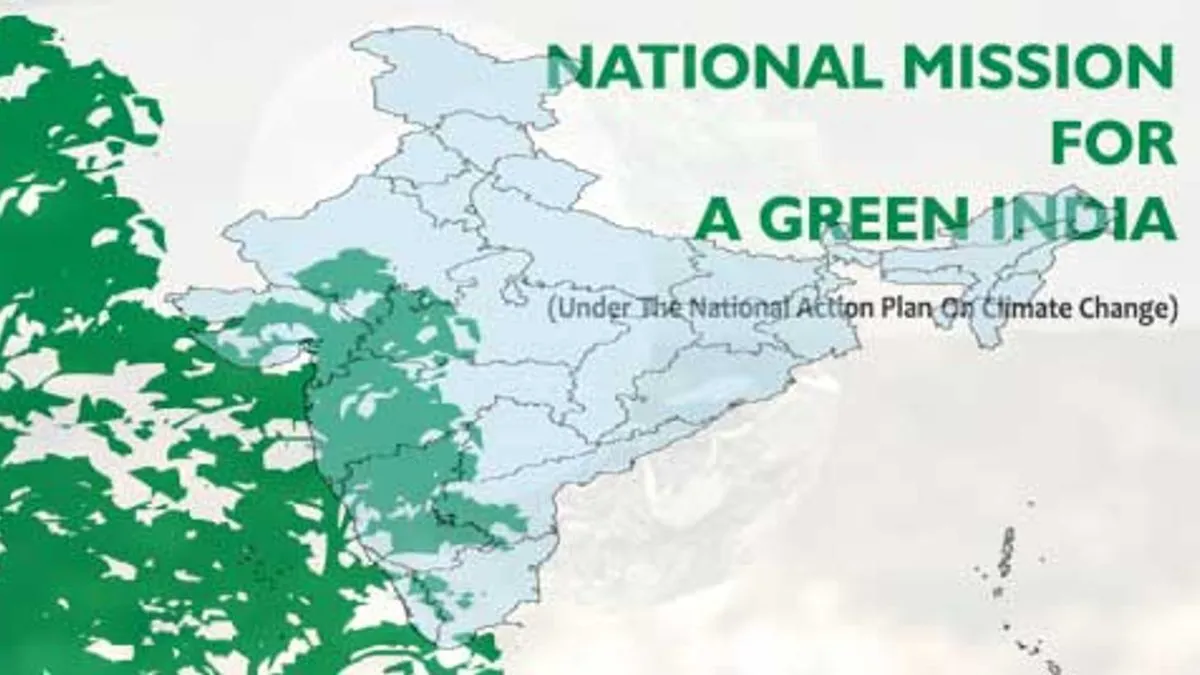
Vikram Limsay reflects on the extraordinary life of Daripalli Ramaiah, fondly known as “Vanajeevi” or the Tree Man of India, who passed away at 87. With over 10 million trees planted, Ramaiah’s legacy wasn’t built on wealth or fame, but on seeds of hope scattered across Telangana’s barren lands. Despite ridicule and limited means, he sold his land to fund his afforestation mission and lived by the belief that Nature is God. Honored with the Padma Shri in 2017, his story is a powerful reminder that a single life lived with conviction can alter a landscape—and a mindset. Ramaiah didn’t just plant trees; he cultivated a legacy of sustainability.
Will Indian Manufacturing Seize the Tariff-Driven Opportunity?
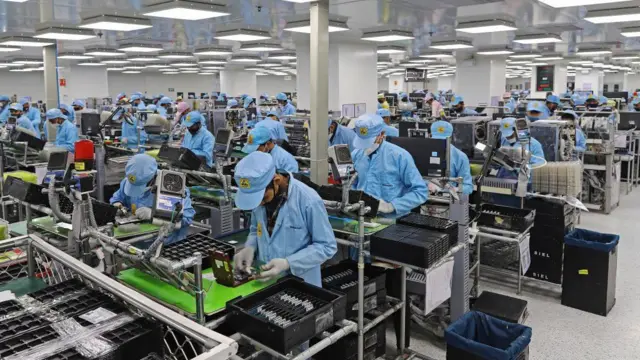
Vikram Limsay analyzes a revealing Bloomberg graphic showing that despite its tough stance, the U.S. has spared nearly a fourth of Chinese imports—especially electronics—from its tariff wave. He critiques the West's long dependence on cheap global goods funded by a strong USD, which came at the cost of domestic manufacturing strength. Now, reversing that model would mean currency devaluation and inflation, a tough geopolitical trade-off. Meanwhile, India has a rare window to step up—but with the underwhelming response to the PLI scheme, doubts remain. Limsay questions: Will Indian entrepreneurs rise to the challenge—or miss the moment?
Is the World Ready to Face the Real Cost of Global Trade?
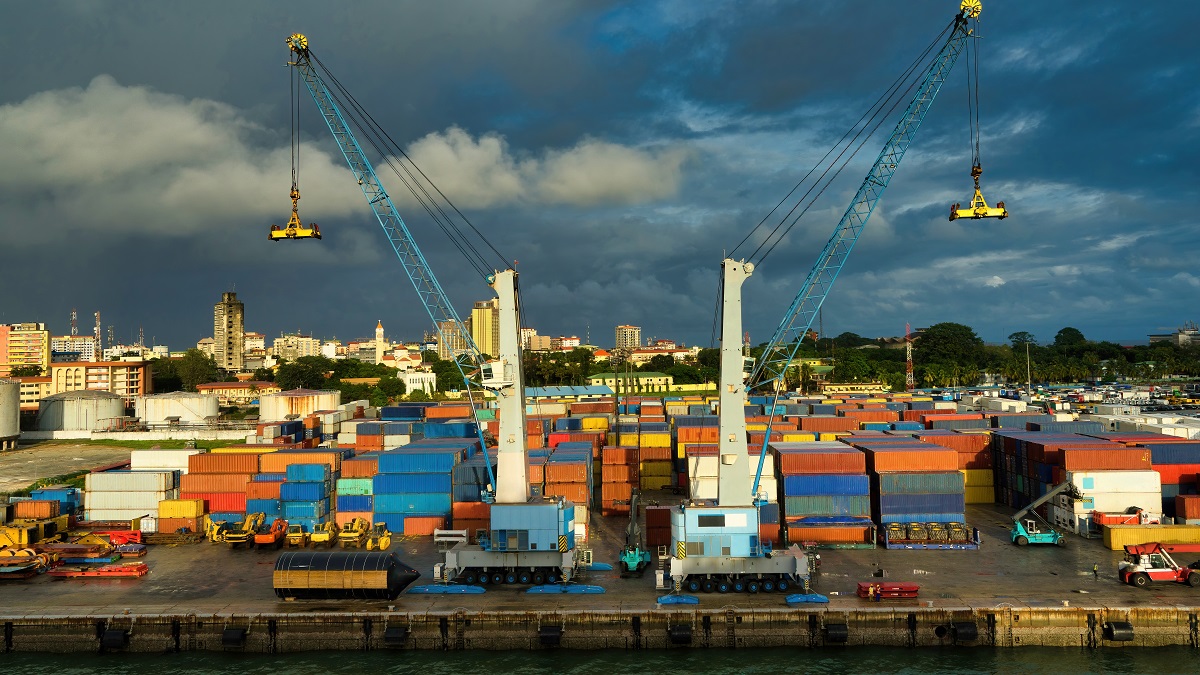
Vikram Limsay unpacks the deeper dynamics of global trade inequity, stating that "Inflation" is the top U.S. export and "Capacity" is China’s. Tariffs alone can't rebalance this system. He critiques Trump’s push to revive Detroit’s old ICE-era auto industry, pointing out that the EV transition demands a new ecosystem, not just protective tariffs. Limsay raises a sharp question—can tariffs be applied to America’s biggest services import: international travel? Unlikely, given the average American’s taste for affordability. For India, he suggests a strategic pause—ignore the noise, spot the real opportunity, and wait for the right pitch to go big—like a Sachin Tendulkar masterstroke.

Are Tariffs Just a Smokescreen for Dollar Dominance?
Vikram Limsay, in his piece for The Indian Express, challenges the narrative around Trump’s upcoming “Tariff Tsunami”, arguing that the real distortion in global trade isn’t tariffs—it’s the unchecked power of the U.S. Dollar. For decades, America has benefited from a currency hegemony that rigs the global trading field in its favor, making the idea of "free and fair trade" with the U.S. largely a myth. He contends that tariffs imposed by others aren’t hostile—they’re a defense mechanism. Moreover, this same dollar advantage has hollowed out U.S. manufacturing, so retaliatory tariffs may not revive it. The real fix? Exchange rate correction—but does the U.S. have the courage?

Can ICE Thinking Survive the EV Disruption?
Vikram Limsay warns that applying ICE-era thinking to the EV transition is an existential mistake—for both new-age EV manufacturers like Ola, Ather, and legacy giants like Tata Motors and Mahindra. Similarly, auto dealerships risk irrelevance if they cling to old models while the EV wave reshapes the landscape. At Helicon Consulting, this shift was anticipated early. In 2021, Vikram predicted that traditional automotive leaders would struggle to retain dominance—a forecast now validated by Tesla, BYD, Ola, and others. Helicon developed a tailored transition solution years ago and has since helped many players navigate this transformation successfully.

Can Iconic Companies Outlive Their Mavericks?
Vikram Limsay raises a critical question—can companies built on the genius of visionary founders sustain their edge once that vision fades? With Apple now relying more on legacy and less on innovation, its India entry seems more like a “swansong tour” than strategic expansion. This moment sparks reflection for entrepreneurs, investors, and policymakers alike: What truly ensures longevity—process over product, size, support, or succession? As maverick-led companies age, the risk of decline grows. It's a cautionary tale for those betting on legacy without reinvention.
Is India Ready to Lead in a Realigned Global Order?
Vikram Limsay reflects on the geopolitical shake-up triggered by the Trump–Zelensky episode and how it might reshape global trade dynamics—with India poised at the center. As global alliances shift, India's historical ties with Russia, Japan, the Arab world, and growing influence in the Global South could become strategic levers. But with only USD 1.5T of global trade share, India must navigate this opportunity wisely. For Indian businesses, understanding Western politics and culture will be as important as leveraging domestic strengths beyond metros. The world must meet the real India, not the sanitized boardroom version.

Is Global Food Trade Feeding the Hungry or Feeding Profits?
At a WTO talk in Dubai, Vikram Limsay noticed a troubling paradox—global food trade has surged to $3.5 trillion, yet hunger levels remain unchanged since the early 2000s. If trade is meant to ensure food security, why does hunger persist? He questions whether global trade in staples benefits the needy or merely lines the pockets of food traders. Should cassava stay in Africa, rice in Asia, and wheat in Europe? Limsay argues that localization of staples and globalization of premium foods may be the real path forward—not just for profit, but for justice.

Politics Matters Because Policy Matters
Rules and policies are essential for maintaining order in society—whether it’s traffic, public behavior, or governance. Yet, many people claim they’re not interested in politics, often confusing the function of politics with the person of the politician. Policy-making is the backbone of societal function, impacting everything from wealth creation and inheritance to corporate strategy. Legendary entrepreneurs like Rockefeller and Dhirubhai understood its power. Political ideologies shape policies—be it capitalism, socialism, or theocracy. In a democracy, voting means expressing your interests, not just casting a ballot. So, don’t ignore politics—policy matters.
Followership Traits From Hanuman Chalisa
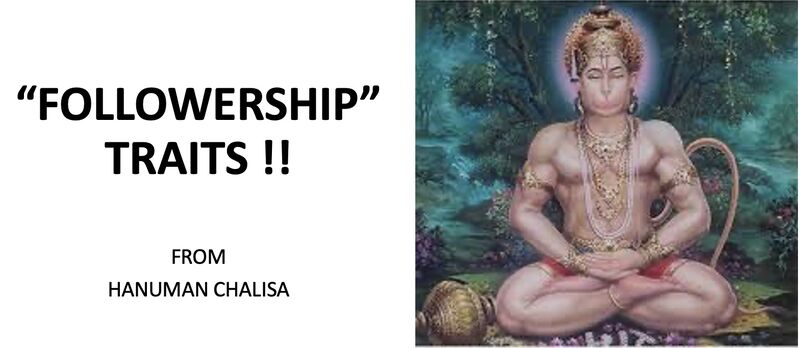
Every Hanuman Jayanti, Vikram Limsay reflects on the overlooked value of followership in a leadership-obsessed world. While leadership is heavily celebrated, followership rarely gets attention—even though every great leader was once a good follower. Drawing from the Hanuman Chalisa, he highlights traits like devotion, reliability, adaptability, discretion, and enthusiasm as ideal follower qualities. Lord Hanuman, the epitome of followership in Indian culture, exemplifies how these traits can build strong organizational support. Limsay encourages young professionals to embrace followership first—to eventually grow into impactful leaders.
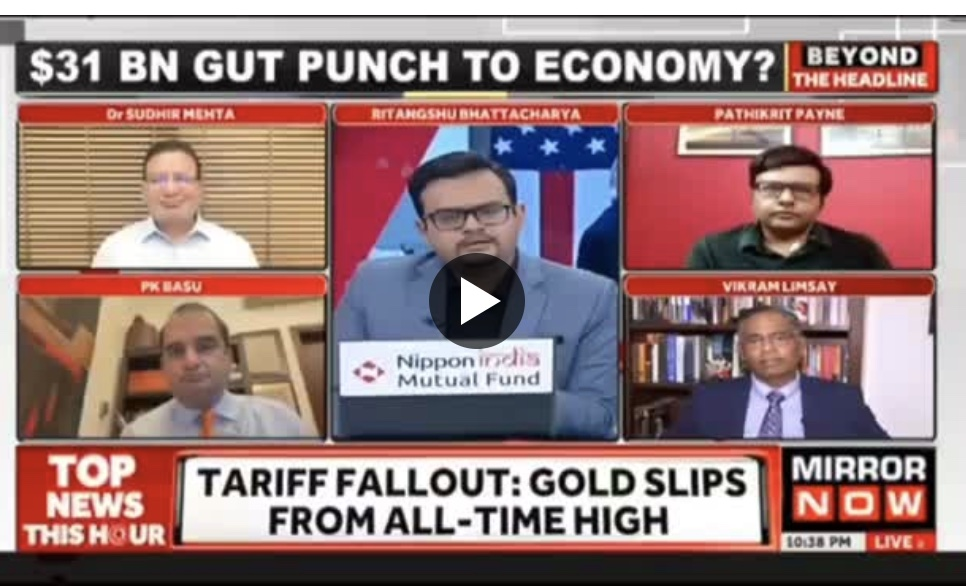
“INFLATION” & “CAPACITY” world two biggest exports
"INFLATION" & "CAPACITY" are the biggest exported commodities in the world. Former by the #US & latter by #China. And these 2 are at the core of #globaltrading inequity .. Correcting that is not exclusively in the domain of #Tariffs .... is the point I make on Mirror Now last night... additionally .. "#Trump wanting to bring Detroits #Motown back to life is missing the wood for trees. #automobile manufacturing is an ecosystem approach .. The world has moved on from #ICE ecosystem that Detroit has to a #EV ecosystem that needs to be built fresh. Nothing to do with Tariffs ..." Also .. Putting Tariffs on #goodsimport is one thing but what about services import? Biggest #servicesimport of America is cheap international personal travel .. can Trump put a Tariff on that? Will the avg. American accustomed to cheap travel appreciate that? Just like they don't appreciate expensive eggs & maple syrup ! So Trumps (part) reciprocal #Tariff is a hit & miss really .. I am certain his intention to bring manufacturing back is good but the hole that the American ecosystem has dug for themsleves is too deep & to touch. and the real issues of overinflated #Dollar & fat administration is a political risk only for the gutsy... As for India we should treat Trumps so called #LiberationDay as #SachinTendulkar would treat a short pitch rising outside off stump ball. Leave it & wait for the next one to hit out of the park .. it's a Y2K moment for #IndianBusiness .. and a few other points... Lets #CatchUpOverCoffee or do a #ChaiPeCharcha 🙂 #Corporatestrategy #publicpolicy #indianeconomy #businessstrategy #Functionalstrategy

Every city has at least one ... the nostalgia custodians !!
This has been a hobby that i am certain I share with many. Visiting iconic eateries of a city whenever there.. the facade boards may be crumbling, chairs creaking, menu cards soiled, waiters unkempt, cashiers disrespectful ... but the taste seems eternal and the crowds keep coming ... Prasad Mulbagal, Veena Stores Bangalore, Tunday Lucknow, Flurrys & Trincas Kolkata, Marz O Rin Kayani Vaishali Pune, Wengers & Kakke Da in Delhi , Diana in Udupi, Ashoka Nagpur ..... Wonder what keeps them going? And what is their secret to Succession Planning, Product Leadership, Consumer Insight ... Surely there is something to learn ... Do add to the list from your town .. am sure this is one database that can be opensource & shareable & would be great to do a #ChaiPeCharcha or #CatchUpOverCoffee at any of these #CorporateStrategy #IndianEconomy #BusinessStrategy #PublicPolicy #FunctionalStrategy
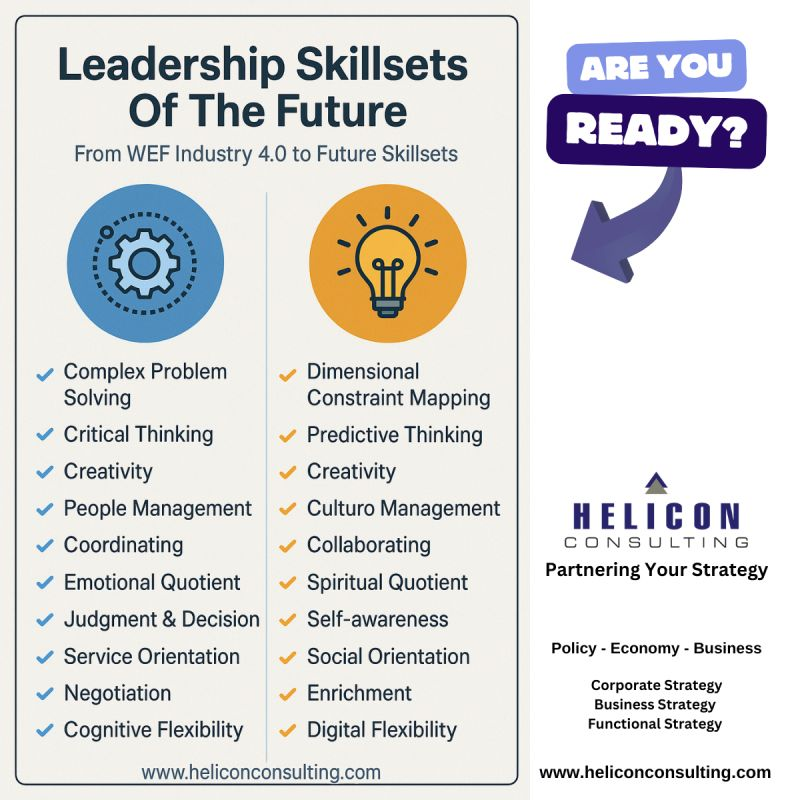
#Leadershipskills are getting disrupted @thespeedofthought.
My perspectives from 1 to 10 below ..... Happy to #CatchUpOverCoffee or do a #ChaiPeCharcha on the topic. At a recent client conclave where i was interacting with the #seniorleadership, I dissected the World Economic Forum skill-sets recommended only few years back & to see how they may have evolved .. Although their latest report adds a few additional dimensions I thought i will table my perspective based on our firms interaction with our clients. 1: Complex problem solving to dimensional constraint mapping - To be skilled to identify possible multidimensional constraint that may not be obvious or manifest. 2: Critical thinking to Predictive Thinking - Thinking ahead of anyone else. 3: Creativity (unchanged) - With an ever increasing dimension across enterprise functions. 4: People management to culture management - Migrant workforce will necessitate managing cultural milieu that come with it. 5: Coordinating to collaborating - cant be more obvious. 6: Emotional quotient to spiritual quotient - have written in detail earlier. Sacn through previous posts please. 7: Judgement & decision to self awareness - in the end it will be all out you. 8: Service orientation to social orientation - from service to person to service to society. 9: Negotiation to enrichment - from extracting for self to fulfillment of the other. 10: Cognitive flexibility to digital flexibility - get ready to deal with agents, robots, xenobots, humanoids .... Hope you are getting ready .. all the best ... #CorporateStrategy #IndianEconomy #BusinessStrategy #PublicPolicy #FunctionalStrategy #FutureOfJobs By the way I have done video explainers on some of the old skill sets (Link in comment).. do watch if it interests .. will do a few new ones
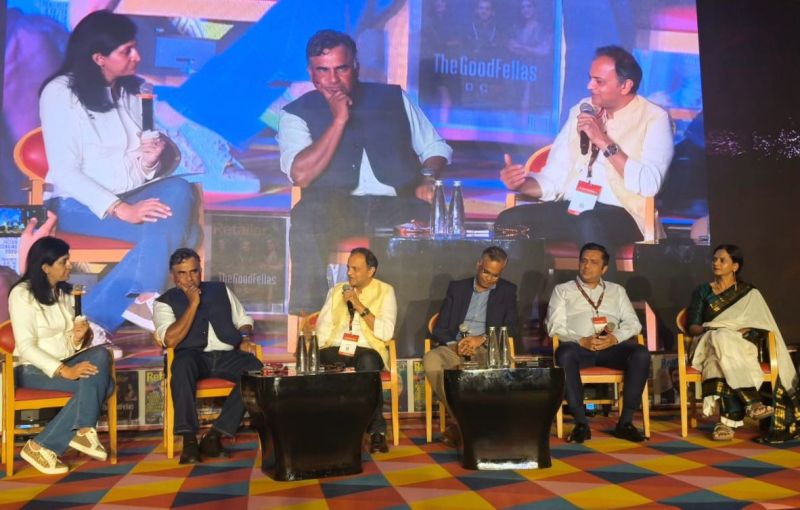
PHYGITAL – DIGITAL – D2C What’s the right strategy
1: #Phygital may be fashionable wordplay but mixed strategy is NOT. Physical & Digital business models are distinct. 2: Constant transition is an existential necessity for #legacybrands else legacy is diminishing returns. 3: Each layer in the #digitalsales funnel has a distinct focus strategy. 4: Most digital strategies are scraping at the surface. Can be expensive & delusional. 5: Product may not be geographically scalable but the concept can be. 6: Build relevance beyond #diaspora. 7: Explore extension possibilities. 8: There is a swarm of #AI #Agents coming. Learn to deal with it ... Or Perish! My views distilled as above during the discussion for a #technology driven #Omnichannel #Retail future for #brands in a brilliantly curated show by Ritu Marya of IndianRetailer.com It was my pleasure to be in the company of iconic #legacybrands & their equally iconic custodians, Lavanya Nalli #ArjunRanga Arvind Dadu, dinesh talera & exchange ideas & best practices in crafting a future. #Nalli #CycleAgarbathi #AnandSweets #MysoreSareeUdyog like many others in the country are legacy brands now recognized globally & have a great possibility to build leverage both #financial & #brand. Happy to do a #ChaiPeCharcha or #CatchUpOverCoffee on this future trend & its requirements & where the world is going. #CorporateStrategy #IndianEconomy #BusinessStrategy #PublicPolicy #FunctionalStrategy